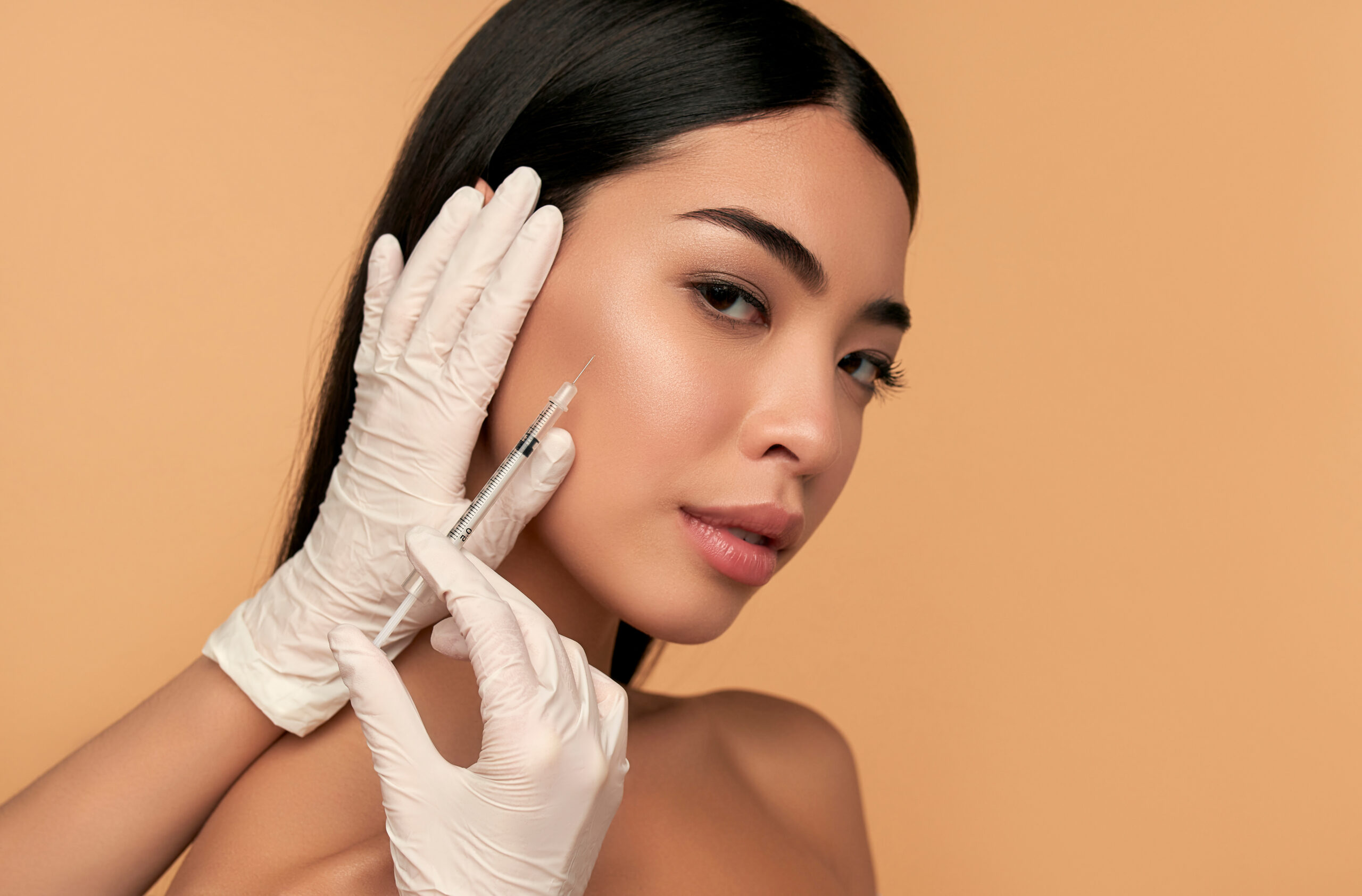
Pixel8 microneedling is a brand of radiofrequency (RF) microneedling: fine needles deliver heat energy into the skin. It is sometimes offered for hyperpigmentation, but that is not one of the uses the U.S. Food and Drug Administration (FDA) has authorised for microneedling devices, and darker skin tones carry a risk of pigment changes afterwards. For most people with dark spots or melasma, dermatologists start with sun protection and prescription or over-the-counter creams.
This guide explains what the treatment is, what it is authorised for, what the FDA says about risks, and where it fits if hyperpigmentation is your main concern.
What is Pixel8 microneedling?
Standard microneedling uses very fine needles to make tiny punctures in the skin. RF microneedling adds radiofrequency energy. The FDA describes these devices as using “an array of small electrodes, also known as microneedles, to deliver RF energy into and under the skin to produce local heating.” Pixel8 is one brand of RF microneedling device. Other brands work on the same principle.
RF microneedling devices are Class II medical devices cleared by the FDA through its 510(k) process. Each device is cleared for specific uses, which are listed in the FDA’s public database.
What microneedling is authorised to treat
The FDA says it “has legally authorized microneedling devices to improve the appearance of facial acne scars, facial wrinkles, and abdominal scars in patients aged 22 years or older.”
Hyperpigmentation is not on that list. The FDA adds that the risks of other uses, which it calls off-label uses, “are not known.” That does not mean the treatment cannot help uneven skin tone. It means the evidence the FDA has reviewed does not cover it.

Does microneedling help hyperpigmentation?
There is some support for microneedling as an add-on. The American Academy of Dermatology (AAD) lists microneedling among the procedures a dermatologist may add to a melasma treatment plan. It describes the procedure as creating microscopic tears in the skin and says that, as the skin heals, it tends to have a more even skin tone. The AAD’s source for this is a review of microneedling used alongside topical treatments, not on its own.
Two points follow from that:
- The evidence is for microneedling combined with creams, and mostly for melasma.
- It concerns microneedling in general. Adding radiofrequency heat is a different treatment with its own risks.
What the FDA says about RF microneedling risks
On 15 October 2025 the FDA issued a safety communication about RF microneedling. It said it was aware of reports of serious complications when these devices are used for dermatologic or aesthetic procedures, “including burns, scarring, fat loss, disfigurement, and nerve damage,” with some cases needing surgical repair or medical treatment. The FDA’s evaluation is ongoing, and it asks patients and providers to report complications.
For darker skin tones there is a further point. The FDA advises people with a darker skin type to talk to their provider first, “as there is a risk of darkening or lightening of the skin after the procedure,” and notes that some authorised devices were not studied in people with darker skin. If you are seeking treatment for dark spots, a procedure that can itself darken the skin needs careful thought.
What dermatologists recommend first for hyperpigmentation
The AAD’s treatment plan for melasma starts with:
- Sun protection: a wide-brimmed hat, shade, and a broad-spectrum sunscreen of SPF 30 or higher. A tinted sunscreen is an option if you dislike a white cast.
- Medication applied to the skin, such as hydroquinone or a triple combination cream, prescribed by your provider.
Procedures such as chemical peels, microneedling, and laser or light treatments are options a dermatologist may add. The AAD says it usually takes 3 to 12 months to see results from a treatment plan, and longer if melasma has been present for a long time.
Questions to ask before Pixel8 microneedling
These follow the FDA’s advice to patients:
- Is this device authorised by the FDA, and for which uses?
- Has it been studied in people with my skin tone?
- Is a new needle cartridge used for every patient and every session? The FDA says re-use is unsafe.
- What are the alternatives? The FDA lists lasers, other energy-based devices, chemical peels and dermal fillers.
- What should I do if I notice a burn, a dent in the skin, or numbness afterwards?
Frequently asked questions
Is Pixel8 microneedling safe for dark skin?
It can be performed on darker skin tones, but the FDA warns of a risk of darkening or lightening of the skin after microneedling and says some devices were not studied in darker skin types. Ask what experience your provider has with your skin tone.
How many sessions are needed?
This depends on the device, the settings and what is being treated. Ask for a plan in writing, including what happens if you see no improvement.
Is RF microneedling the same as SkinPen?
No. SkinPen is a microneedling device without radiofrequency energy. RF microneedling adds heat.
Next step
Beauté Medical Aesthetics lists Pixel8 RF microneedling among its services, alongside LegendPro RF microneedling and, without radiofrequency, SkinPen. If uneven skin tone is your main concern, read about hyperpigmentation and melasma, then book a consultation to discuss which approach suits your skin.
Sources
- U.S. Food and Drug Administration. Potential Risks with Certain Uses of Radiofrequency (RF) Microneedling: FDA Safety Communication. 15 October 2025.
- U.S. Food and Drug Administration. Microneedling Devices.
- American Academy of Dermatology. Melasma: Diagnosis and treatment.

Double Board Certified Nurse Practitioner
Beauté Medical Aesthetics