PRP for hair loss means injecting platelet-rich plasma, made from your own blood, into thinning areas of the scalp. It is used mainly for hereditary hair loss (male and female pattern hair loss). Studies suggest it can increase hair density, but much of the evidence is of low quality, results need ongoing maintenance treatments, and it does not work for everyone.
This guide explains how PRP for hair loss works, what the research shows, what treatment involves and how it compares with other options.
What is PRP for hair loss?
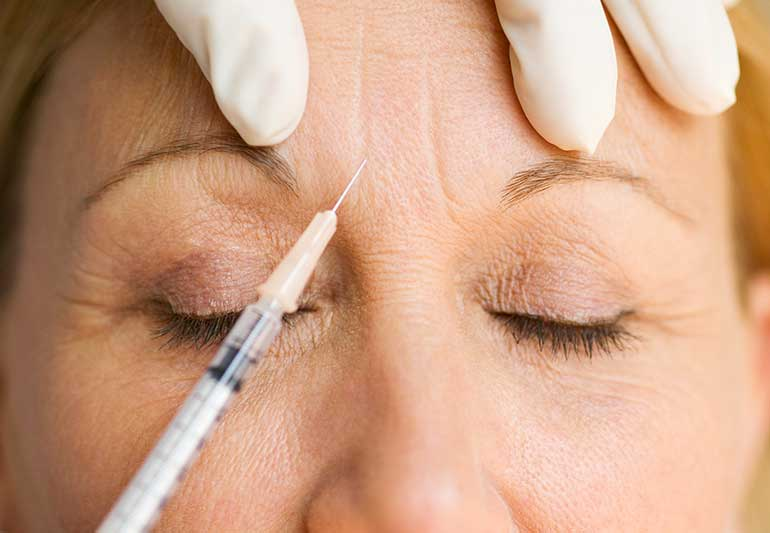
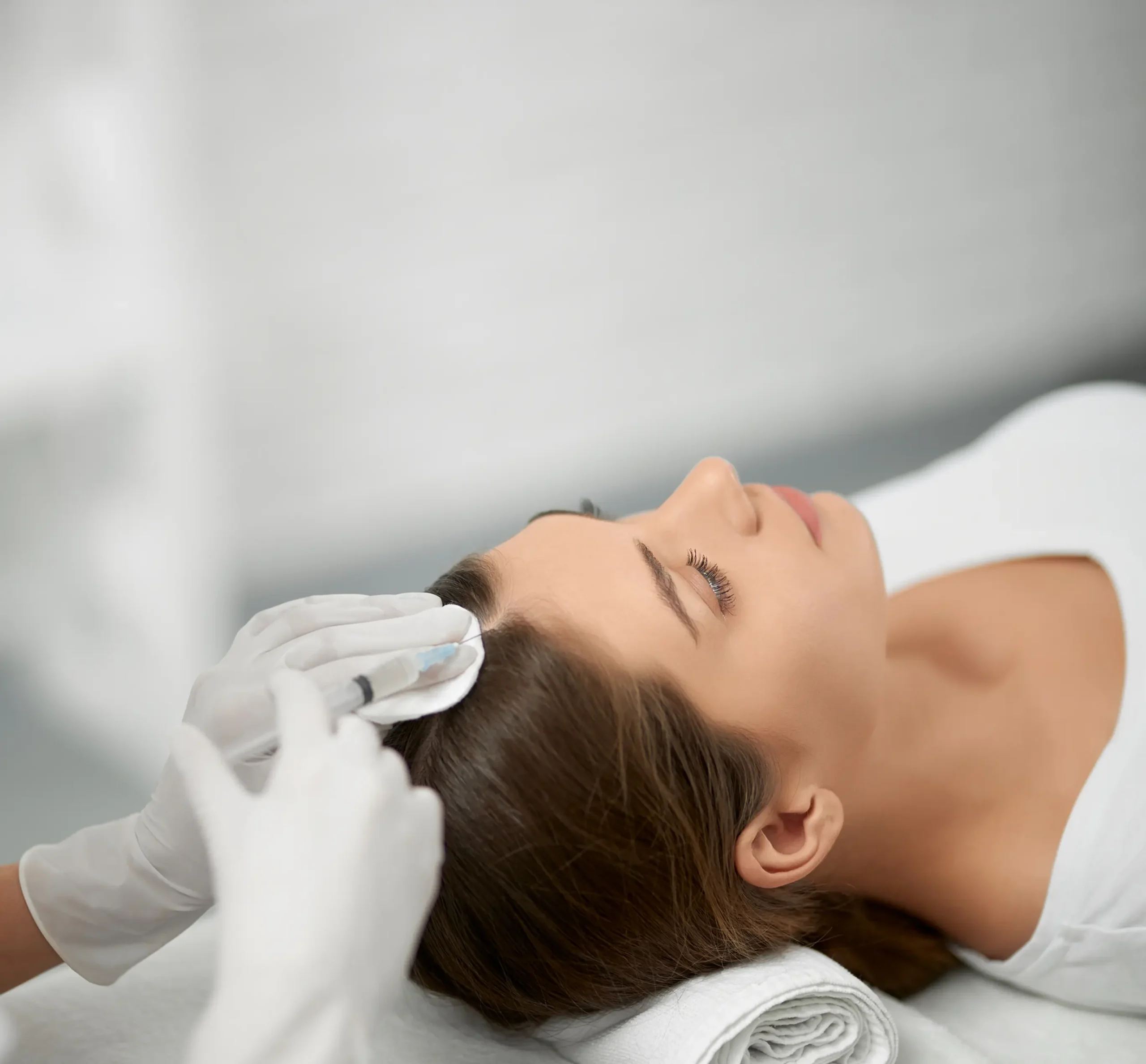
The American Academy of Dermatology (AAD) describes the procedure. A small amount of your blood is drawn and placed in a machine that separates it into its parts. One part, the plasma, which is rich in platelets, is then injected into the area with hair loss. The procedure takes about 10 minutes and usually needs no downtime.
It is believed that the platelets help stimulate the cells that grow hair, according to the AAD.
What does the evidence show?
The AAD’s pages on hair loss give a cautiously positive view. On treatment options it says studies show PRP can be a safe and effective hair loss treatment. On female pattern hair loss it says the early findings show promise, but more studies are needed.
Systematic reviews, which pool the results of many studies, point the same way:
- A 2023 review of nine randomized trials involving 238 people with pattern hair loss found that PRP increased hair density at three and six months compared with placebo. Hair count and hair thickness rose compared with baseline, but not significantly more than with placebo. No serious side effects were found.
- A 2023 review of 27 controlled trials found PRP increased hair density compared with saline injections, but rated the evidence as low quality, and concluded there is limited evidence of benefit.
- A 2022 network analysis ranked PRP highly among non-surgical treatments for male pattern hair loss, but judged the quality of the evidence behind the top-ranked treatments to be low.
In short, PRP may help, particularly with hair density, but it is not as well proven as the established medicines.

What treatment involves
The AAD gives the usual schedule: injections once a month for three months, then once every three to six months to maintain results. It says PRP is not a permanent solution. Within the first few months you may notice you are losing less hair, and soon after some people see thicker hair or regrowth.
Who may benefit
The studies above were mainly in people with hereditary (pattern) hair loss. Hair loss has many causes. The AAD says effective treatment begins with finding the cause, and that a dermatologist may order a blood test or scalp biopsy if a disease, vitamin deficiency, hormone imbalance or infection is suspected.
PRP compared with other hair loss treatments
The AAD describes several options for hereditary hair loss:
- Minoxidil. A medicine applied to the scalp, available without a prescription. The AAD says it can help early hair loss but cannot regrow an entire head of hair, and tends to work better alongside another treatment.
- Prescription medicines. The choice depends on the cause of hair loss, your health, age and plans for pregnancy.
- Microneedling with another treatment. In one study, men who added weekly microneedling to minoxidil had significantly more hair growth after 12 weeks. The AAD notes that devices for hair loss use longer needles than those for skin.
- Laser therapy. A few studies suggest it may help, but it needs many sessions.
- Hair transplant. The option the AAD describes for a permanent result.
PRP can be used alone, alongside these treatments, or before a hair transplant, according to the AAD.
Risks and side effects
The reviews above reported no serious side effects in the trials they included. PRP still involves a blood draw and injections into the scalp, so ask your provider about soreness, bruising and the small risk of infection. Our guide to PRP therapy for skin covers who should not have PRP.
Questions to ask before PRP for hair loss
- What is causing my hair loss, and has that been confirmed?
- Is PRP the best first option for my type of hair loss, or should I start with a medicine?
- How many sessions do you recommend, and what maintenance will I need?
- How will we measure whether it is working?
Frequently asked questions
Is PRP for hair loss permanent?
No. The AAD says maintenance treatments are needed to keep results.
How soon will I see results?
The AAD says some people notice less hair loss within the first few months, with thicker hair or regrowth after that.
Does it hurt?
It involves a blood draw and several injections into the scalp. The procedure itself takes about 10 minutes.
Next step
You can read about hair loss and PRP at Beauté Medical Aesthetics, or book a consultation to discuss the cause of your hair loss and your options.
Sources
- American Academy of Dermatology. Hair loss: Diagnosis and treatment.
- American Academy of Dermatology. What is male pattern hair loss, and can it be treated?
- American Academy of Dermatology. Thinning hair and hair loss: Could it be female pattern hair loss?
- Zhang X, Ji Y, Zhou M, et al. Platelet-Rich Plasma for Androgenetic Alopecia: A Systematic Review and Meta-Analysis of Randomized Controlled Trials. Journal of Cutaneous Medicine and Surgery. 2023;27(5):504-508.
- Cruciani M, Masiello F, Pati I, et al. Platelet-rich plasma for the treatment of alopecia: a systematic review and meta-analysis. Blood Transfusion. 2023;21(1):24-36.
- Gupta AK, Bamimore MA, Foley KA. Efficacy of non-surgical treatments for androgenetic alopecia in men and women: a systematic review with network meta-analyses. Journal of Dermatological Treatment. 2022;33(1):62-72.

Double Board Certified Nurse Practitioner
Beauté Medical Aesthetics