


Good tattoo removal results depend on three things you control: protecting the skin from the sun before and after, following the aftercare you are given, and coming back for every session. Laser removal takes several treatments a few weeks apart, and the skin needs to heal between them. This guide covers how to prepare, what to do afterwards, and what to avoid.
Before tattoo removal: the consultation
The American Academy of Dermatology (AAD) recommends a consultation before any tattoo removal, because several things affect how it goes:
- how long you have had the tattoo;
- how deeply the ink sits in the skin;
- the colors in it;
- where it is on your body;
- your health and the medicines you take;
- whether you have ever had a raised scar.
Tell your provider about all of these. It is also the moment to ask to see before-and-after photos of people they have treated.
Preparing your skin
Protect the tattooed area from the sun. The AAD advises keeping treated skin out of the sun for three months after each treatment, so it makes sense to start before your first session.
Your provider will tell you whether to stop any skin products or medicines beforehand. Follow their instructions over anything you read online, including here.
What to expect after each session
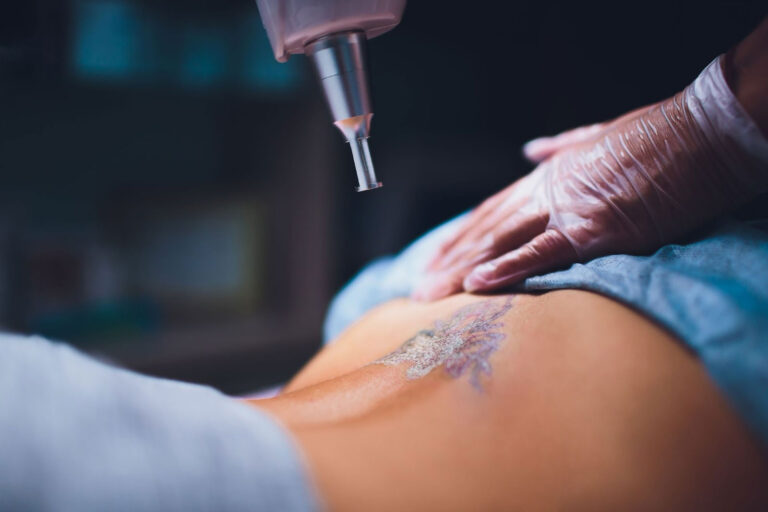
The AAD says you may see redness, swelling and a little blistering after laser tattoo removal. The FDA lists pinpoint bleeding, redness and soreness, and says none of these should last for long.
The tattoo should lighten after each treatment. The laser breaks the ink into tiny particles, and your body clears them over the following weeks. That is why sessions are spaced apart.
Tattoo removal aftercare
The AAD gives three pieces of advice for getting the best result:
- Keep all of your appointments. People often stop before they see the full result. Each treatment removes more ink.
- Follow your at-home care instructions. You may need to wash the area and apply an antibiotic ointment for a few days. Keeping the skin moisturized and covered until it heals also matters.
- Protect the treated skin from the sun for three months. Clothing that covers the area is best, and it must block light completely.
Contact your provider if you are worried about how the area is healing.
What to avoid
Removal creams and home kits. The FDA has not approved any tattoo removal cream, ointment or do-it-yourself kit. It says these products may cause rashes, burns or scars, and that it is not aware of evidence that they work.
Salt scrubbing. The AAD describes removing a tattoo with salt at home as extremely painful, with a risk of serious infection and scarring.
Untrained operators. The AAD says scarring, texture changes and burns are more common when the person doing the removal lacks medical training, and that a single laser cannot remove all ink colors.
Possible side effects
Some people develop light or dark spots on the treated skin. The AAD says these tend to disappear within 6 to 12 months. The FDA also lists scarring and infection as possible risks.
Who should not have it: the AAD says you need a healthy immune system for laser removal to work, and that women who are pregnant or breastfeeding should not be treated.
Frequently asked questions
How long between tattoo removal sessions?
The FDA says a few weeks, to give the skin time to heal. Your provider will set the interval.
Can I exercise or shower afterwards?
Follow the instructions your provider gives you for your treatment. We could not find a general rule from an authoritative source.
Next step
You can read about PiQo4 laser tattoo removal at Beauté Medical Aesthetics, compare removal with a cover-up, or book a consultation.
Sources
- American Academy of Dermatology. Tattoo removal: Lasers outshine other methods.
- U.S. Food and Drug Administration. Tattoo Removal: Options and Results.

Double Board Certified Nurse Practitioner
Beauté Medical Aesthetics