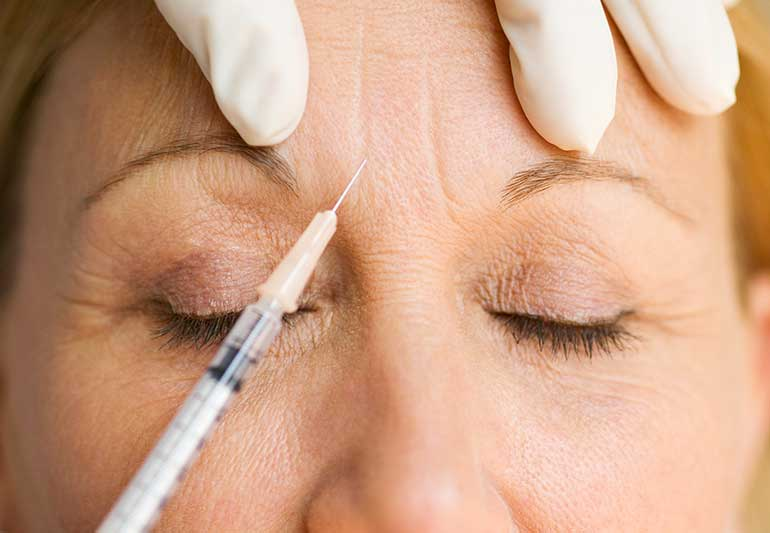
Most lip fillers are made of hyaluronic acid, a sugar that occurs naturally in the body. They add volume for six months to a year, after which the body breaks the filler down. Swelling, bruising and tenderness are common for the first days. The rare but serious risk is filler entering a blood vessel, which is why the FDA advises having lip filler only from a licensed, experienced provider using an FDA-approved product.
This guide explains what lip fillers are made of, what the injection involves, how long results last, which side effects to expect, and what can be done if you do not like the result.
What are lip fillers made of?
The FDA describes dermal fillers as gel-like substances injected under the skin, and regulates them as medical devices. Cleveland Clinic says lip fillers mainly contain hyaluronic acid, and names Restylane and Juvéderm as common examples. Some also contain lidocaine, a numbing medicine, to make the injection more comfortable.
Increasing the fullness of the lips is one of the uses the FDA has approved dermal fillers for, in people aged 22 and older.
What happens during treatment
Cleveland Clinic says the provider uses a fine needle to inject the filler into the lips, and the injections typically take 10 to 30 minutes. The American Academy of Dermatology (AAD) adds that lips often need a nerve block, an injection that numbs the area, and that you may feel a stinging or burning sensation as the filler goes in.
Before treatment, Cleveland Clinic advises stopping smoking and blood-thinning medicines a few weeks beforehand if your provider agrees, and avoiding aspirin and supplements such as fish oil, because they can worsen bruising.
A natural-looking result
The AAD recommends not overdoing fillers. It says results look more natural with a conservative approach, and that very thin lips should not be made dramatically fuller.

Swelling, bruising and recovery
The FDA lists bruising, redness, swelling, pain, tenderness, itching and rash as common side effects of dermal fillers, and says most occur shortly after injection and many resolve within a few days to weeks.
Cleveland Clinic says there is little to no recovery time with lip filler, and most people return to work straight away. The AAD’s advice for after any filler treatment:
- your provider may ice the area for 15 to 20 minutes before you leave;
- wait until the next day to exercise or do anything strenuous;
- stay out of the sun and away from tanning beds while the skin settles.
Cleveland Clinic advises calling your provider right away about bruising that does not go away, severe swelling, excessive bleeding, fever, or signs of an allergic reaction or infection.
How long does lip filler last?
Cleveland Clinic gives six months to a year for lip fillers. The AAD gives four to 12 months for hyaluronic acid filler in general. The effect fades because the body gradually breaks the filler down, so repeat treatment is needed to maintain it. Our guide to how long fillers last compares the main filler types.
Is lip filler safe?
The FDA’s list of less common risks includes lumps (nodules), infection, allergic reaction and tissue death (necrosis). It says the most serious risk is accidental injection into a blood vessel, which can cause tissue death, stroke or blindness. The chance is low, but the effects can be permanent.
The AAD says reports of serious side effects rise sharply when fillers are injected by someone without the right training and experience.
What the FDA warns against
- Needle-free “hyaluron pens”. The FDA has not approved needle-free devices for injecting filler. They use high pressure and do not give enough control over where the filler goes; serious injuries and permanent harm to the skin, lips or eyes have occurred.
- Fillers sold directly to the public. These are not FDA-approved and may be fake or contaminated.
- Injecting yourself. FDA-approved fillers are prescription-only and should be injected by a licensed provider with a needle or cannula.
Can it be dissolved?
Hyaluronic acid filler can. Cleveland Clinic explains that a provider injects an enzyme called hyaluronidase, which breaks the filler down; it usually takes one or two visits, and full results can take up to two weeks. Fillers made of other materials cannot be dissolved this way. Hyaluronidase is not suitable for anyone who has had an allergic reaction to a bee sting.
Questions to ask your provider
- Which filler will you use, and is it FDA-approved for the lips?
- How much do you recommend, and what will it look like?
- What is your experience with lip filler, and how do you handle complications?
- Can the filler be dissolved if I do not like the result?
Frequently asked questions
Does it hurt?
Some fillers contain lidocaine, and lips are often numbed with a nerve block. You may still feel stinging or burning during the injections.
How long does the swelling last?
The FDA says many side effects such as swelling resolve within a few days to weeks. Call your provider if swelling is severe.
Is it permanent?
No. Hyaluronic acid filler lasts about six months to a year. For permanent options, Cleveland Clinic lists surgical procedures such as a lip lift or implants.
Next step
You can read about dermal fillers at Beauté Medical Aesthetics and our guide to Botox vs fillers, or book a consultation to discuss your goals.
Sources
- U.S. Food and Drug Administration. Dermal Filler Do’s and Don’ts for Wrinkles, Lips and More.
- U.S. Food and Drug Administration. Dermal Fillers (Soft Tissue Fillers).
- Cleveland Clinic. Lip Augmentation.
- Cleveland Clinic. Dissolving Lip Filler.
- American Academy of Dermatology. Fillers: FAQs.

Double Board Certified Nurse Practitioner
Beauté Medical Aesthetics