Stretch marks are scars that form when skin stretches or shrinks quickly, for example during pregnancy, puberty or rapid weight change. They fade with time, and treatment can make them less noticeable sooner, but no treatment removes them completely. Treatment works best on new, red or purple stretch marks. Older, white ones are harder to improve.
This guide explains why stretch marks appear, what the research says about creams and home remedies, and which in-office treatments help.
What are stretch marks?
The American Academy of Dermatology (AAD) describes a stretch mark as a type of scar. When skin stretches or shrinks abruptly, the collagen and elastin that support it rupture, and stretch marks may appear as the skin heals. The medical name is striae.
When they first appear, stretch marks tend to be red, purple, pink, reddish-brown or dark brown, depending on your skin colour. They may feel slightly raised and itchy. Over time the colour fades and the bands sink below the surface, so a mature stretch mark often feels like a slight dip in the skin.
Cleveland Clinic lists the usual places as the stomach, thighs, hips, breasts, upper arms, lower back and buttocks.
Why do they appear?
The AAD says you are most likely to develop them during:
- growth spurts in puberty;
- pregnancy;
- rapid weight loss or weight gain;
- weight training with rapid muscle growth.
Fluctuating hormone levels seem to play a role, and you may be more likely to get them if they run in your family. Using a corticosteroid on the skin for a long time can also cause them.
When to see a doctor first
Stretch marks are sometimes a sign of a medical condition, such as Cushing’s syndrome. MedlinePlus advises contacting your health care provider if stretch marks appear without a clear cause, such as pregnancy or rapid weight gain.
Do they go away?
They fade, but they do not fully disappear. The AAD says that, like any scar, stretch marks are permanent, though treatment may make them less noticeable. Cleveland Clinic says they generally take six to 12 months to fade, and often fade faster with treatment.
Creams, oils and home remedies
The AAD is direct about this: no single treatment works for everyone, and many products do not seem to work at all.
- Popular oils and butters. In studies, stretch marks did not fade when people massaged in almond oil, cocoa butter, olive oil or vitamin E. Cleveland Clinic adds coconut oil to the list of products that studies show do not work.
- Prescription creams. Two ingredients seem to help early stretch marks: hyaluronic acid and tretinoin. In one study, people who applied tretinoin every night for 24 weeks had less noticeable stretch marks than those who did not.
- Over-the-counter products. If you try one, the AAD advises using it on early stretch marks, massaging it in gently, and applying it every day for weeks. Results, if any, take weeks to appear.
- Self-tanner. It can camouflage stretch marks but cannot remove them. Tanning makes them more noticeable, because stretch marks do not tan.
If you are pregnant or breastfeeding, check with your doctor before using any stretch mark product. The AAD warns that some contain ingredients, such as retinol, that can harm a baby.
In-office treatments for stretch marks
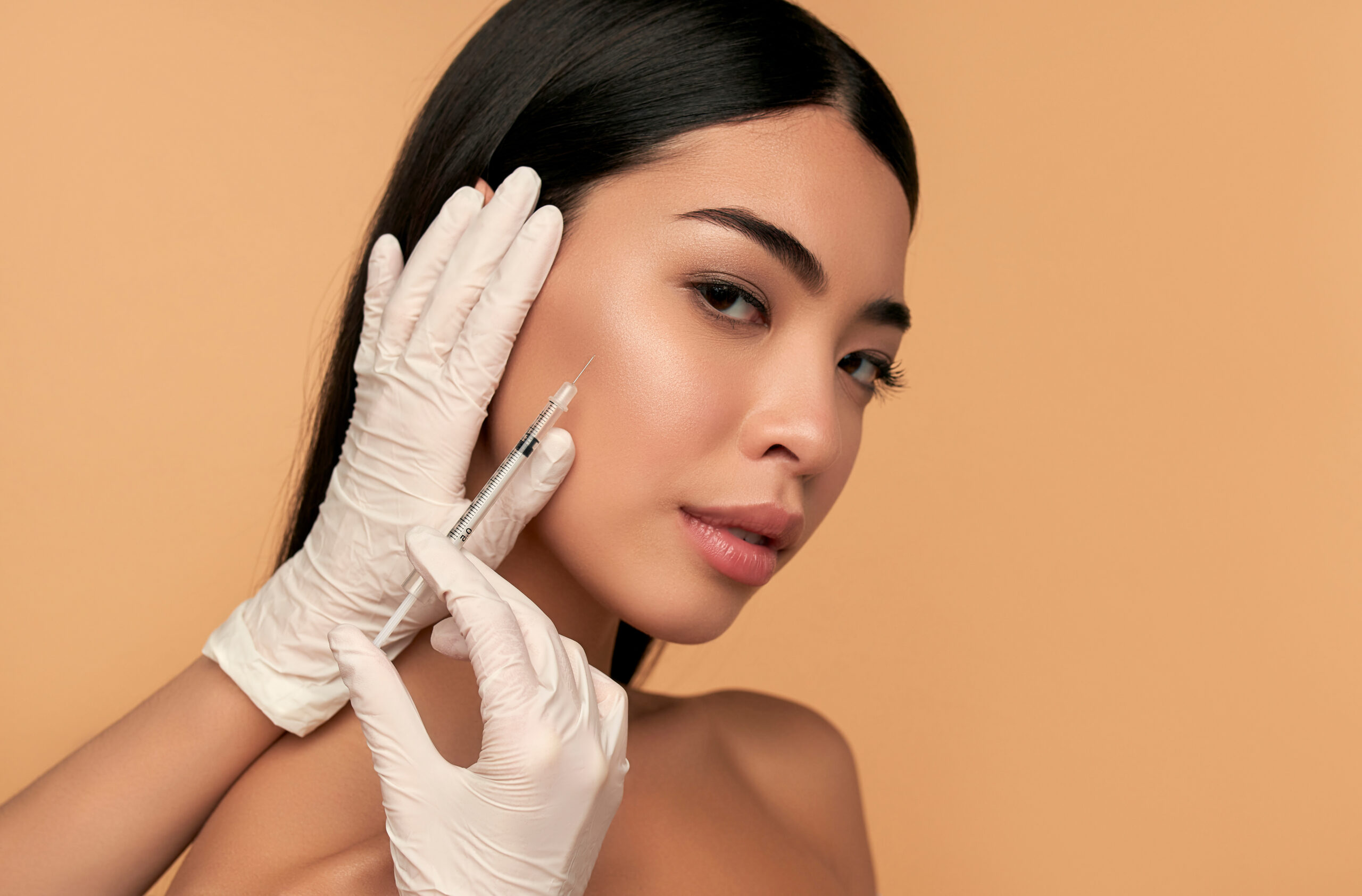
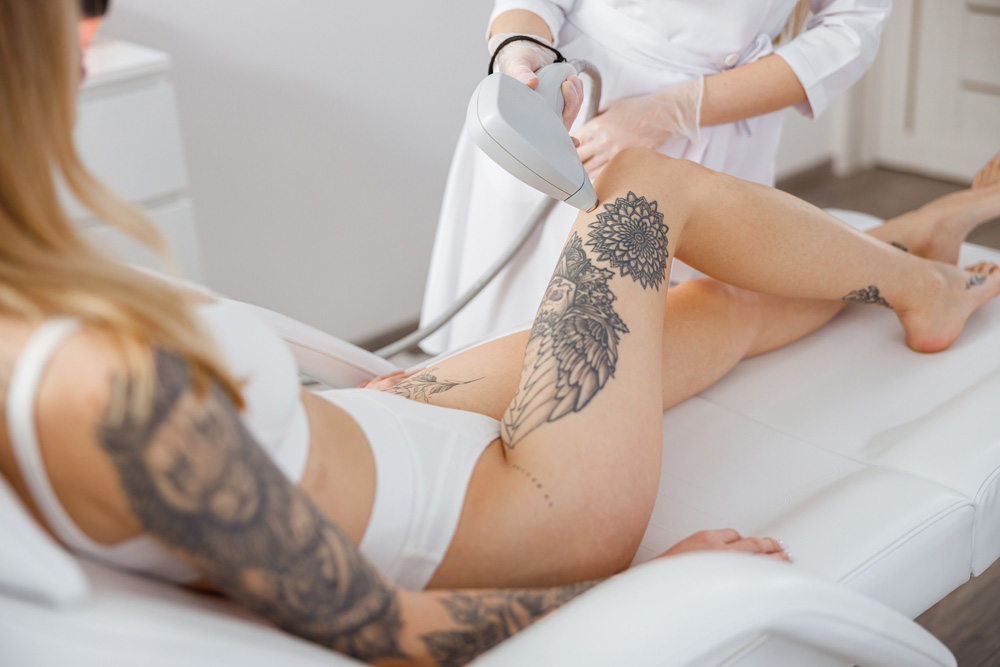
The AAD says dermatologists use chemical peels, laser therapy, microdermabrasion, radiofrequency and ultrasound to make stretch marks less noticeable, sometimes combining more than one. None of these can get rid of stretch marks, but in-office procedures have proven more effective than creams, lotions and gels.
| Treatment | How it works | What the sources say |
|---|---|---|
| Microneedling | Fine needles make tiny punctures that prompt new collagen | Most people need three to six treatments; results can take four to six months (Cleveland Clinic) |
| Laser resurfacing | Light removes thin layers of skin to stimulate collagen | Improvement can continue for up to a year; side effects can include darker or lighter patches (Cleveland Clinic) |
| Radiofrequency | Heat delivered into the skin | Listed by the AAD among the procedures dermatologists use |
| Chemical peel | A solution removes the outer layers of skin | Listed by the AAD among the procedures dermatologists use |
Redness and swelling after a procedure are common and tend to settle in a few hours or days, according to the AAD. Darker skin tones need a provider experienced with skin like theirs, because laser and peel treatments can leave lasting changes in skin colour.
Our guides to SkinPen microneedling, RF microneedling and chemical peels explain each treatment in more detail, including who should avoid them. Note that SkinPen’s FDA authorization covers acne scars and neck wrinkles, not stretch marks.
Can they be prevented?
Possibly, but many popular remedies do not work. The AAD says almond oil, cocoa butter, olive oil and vitamin E did not prevent stretch marks in studies, while products containing centella (an herb) or hyaluronic acid may help. MedlinePlus notes that avoiding rapid weight gain helps reduce stretch marks caused by obesity.
Frequently asked questions
Do old white stretch marks respond to treatment?
Less well. The AAD says creams seem to have little effect on mature stretch marks, and Cleveland Clinic says older, deep stretch marks may be more challenging to treat. In-office procedures are the more realistic option.
How many treatments will I need?
It depends on the treatment and the stretch marks. For microneedling, Cleveland Clinic gives three to six treatments.
Are they harmful?
No. Cleveland Clinic says they do not hurt, though they can affect how people feel about their bodies.
Next step
You can read about SkinPen microneedling at Beauté Medical Aesthetics, or book a consultation to have your stretch marks assessed and the options explained.
Sources
- American Academy of Dermatology. Stretch marks: Why they appear and how to get rid of them.
- Cleveland Clinic. Stretch Marks.
- MedlinePlus, U.S. National Library of Medicine. Stretch marks. Reviewed June 3, 2025.
- American Academy of Dermatology. Microneedling can fade scars, uneven skin tone, and more.

Double Board Certified Nurse Practitioner
Beauté Medical Aesthetics