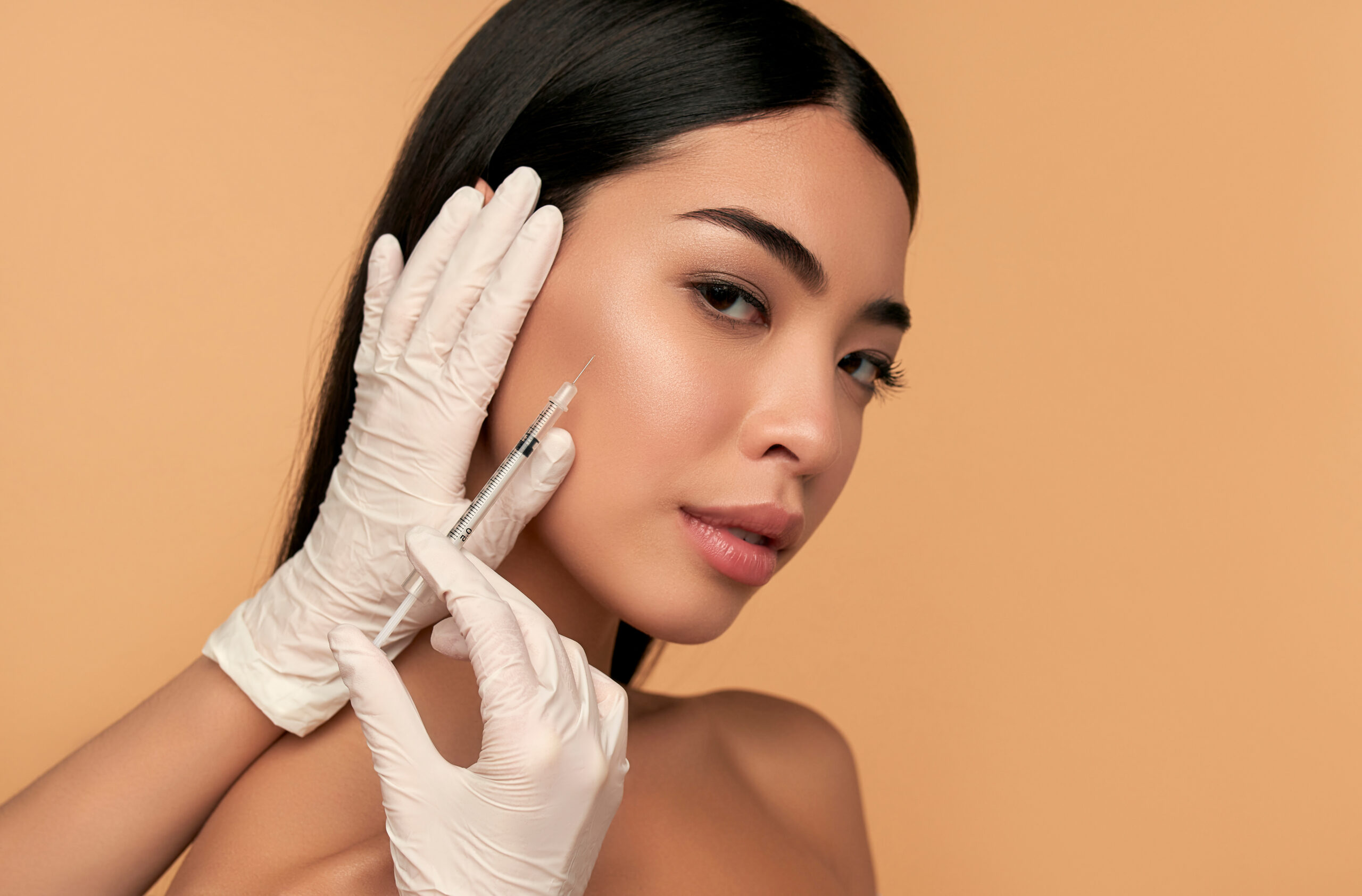
PRP therapy for skin uses platelet-rich plasma, a concentrate made from your own blood, which is injected into the face or applied with microneedling. Some people see fewer wrinkles and better texture. The American Academy of Dermatology (AAD) says there is “little evidence to show that it works — or doesn’t work,” and describes it as “still an unproven treatment.”
This guide explains what PRP therapy involves, what is and is not known, the safety points that matter, and who should not have it.
What is PRP therapy?
Everyone has platelets in their blood. The AAD describes PRP as a three-step procedure:
- Blood draw. About two to four tablespoons of blood are taken from your arm.
- Separation. The blood is spun in a centrifuge, which separates it into layers. One layer has a high concentration of platelets.
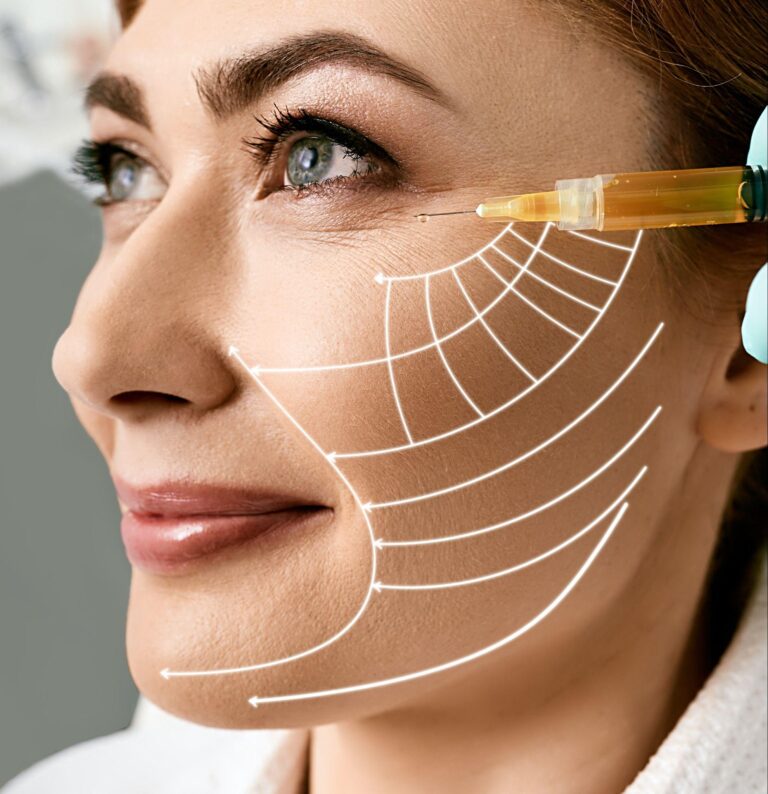
- Injection. That layer is injected into the face or scalp with a syringe, or applied with microneedling.
The whole visit takes about 45 minutes to an hour. PRP is sometimes called a “vampire facial.”
What it may do for skin
The AAD reports that some patients find PRP can reduce wrinkles, plump sagging skin, improve complexion and diminish acne scars, with little to no downtime. It is equally clear about the limits: the treatment “cannot make your face look the way it did years ago,” and results are unpredictable.
Combined with microneedling, the AAD says PRP can be especially effective for fading acne scars.
Why the evidence is limited
Few studies have been done in people. The AAD explains that the FDA classifies PRP equipment as a medical device, and the rules for devices do not require the large studies needed for new drugs.
That leaves questions dermatologists have not yet answered:
- why PRP works for some patients and not others;
- how many treatments are best, and how far apart;
- how much PRP to inject, and where;
- which equipment gives the best results;
- whether there are long-term side effects.
Is PRP therapy safe?
The AAD says the procedure itself appears safe. You may have some pain, bruising and swelling afterwards, which tend to go away within a few days.
The biggest risk comes from how the blood is handled. It must be kept sterile, or you could develop an infection. The facility should also follow the process transfusion centers use to make sure your own blood is the blood injected back into you.
PRP with microneedling
The FDA states that microneedling devices “are not approved for delivery of cosmetics, topical medications … or blood products (for example, platelet-rich plasma (PRP)) into the skin,” and that the risks of combining microneedling with other products are not known. If PRP is offered with microneedling, ask how it will be applied and what the provider’s experience with the combination is.
Who should not have it
The AAD says PRP is not recommended for anyone with:
- hepatitis C;
- HIV or AIDS;
- any type of blood cancer;
- cardiovascular disease that requires a blood thinner;
- skin cancer in the area to be treated.
These conditions affect platelets, so the treatment would not be expected to work.
Results: timing and how long they last
According to the AAD, if you get results, the full effect appears within a few weeks to months. Most patients who see results have had three or more treatments. Results can last as long as 18 months.
Questions to ask first
- How is my blood kept sterile and labelled so that I receive my own?
- How many sessions do you recommend, and on what basis?
- What results have your patients with skin like mine seen?
- Would a treatment with stronger evidence suit my concern better?
Frequently asked questions
Does PRP therapy work for wrinkles?
Some patients see improvement. The AAD describes the evidence as limited and the results as unpredictable.
Is PRP natural?
It is made from your own blood. It still involves needles and the handling of blood, so sterile technique matters.
Is PRP covered by insurance?
No. The AAD notes that medical insurance does not cover PRP given to improve appearance.
Next step
You can read about platelet-rich plasma at Beauté Medical Aesthetics and SkinPen microneedling, or book a consultation to discuss whether PRP or another treatment fits your concern.
Sources
- American Academy of Dermatology. Is platelet-rich plasma the secret to younger-looking skin?
- American Academy of Dermatology. Microneedling can fade scars, uneven skin tone, and more.
- U.S. Food and Drug Administration. Microneedling Devices.

Double Board Certified Nurse Practitioner
Beauté Medical Aesthetics