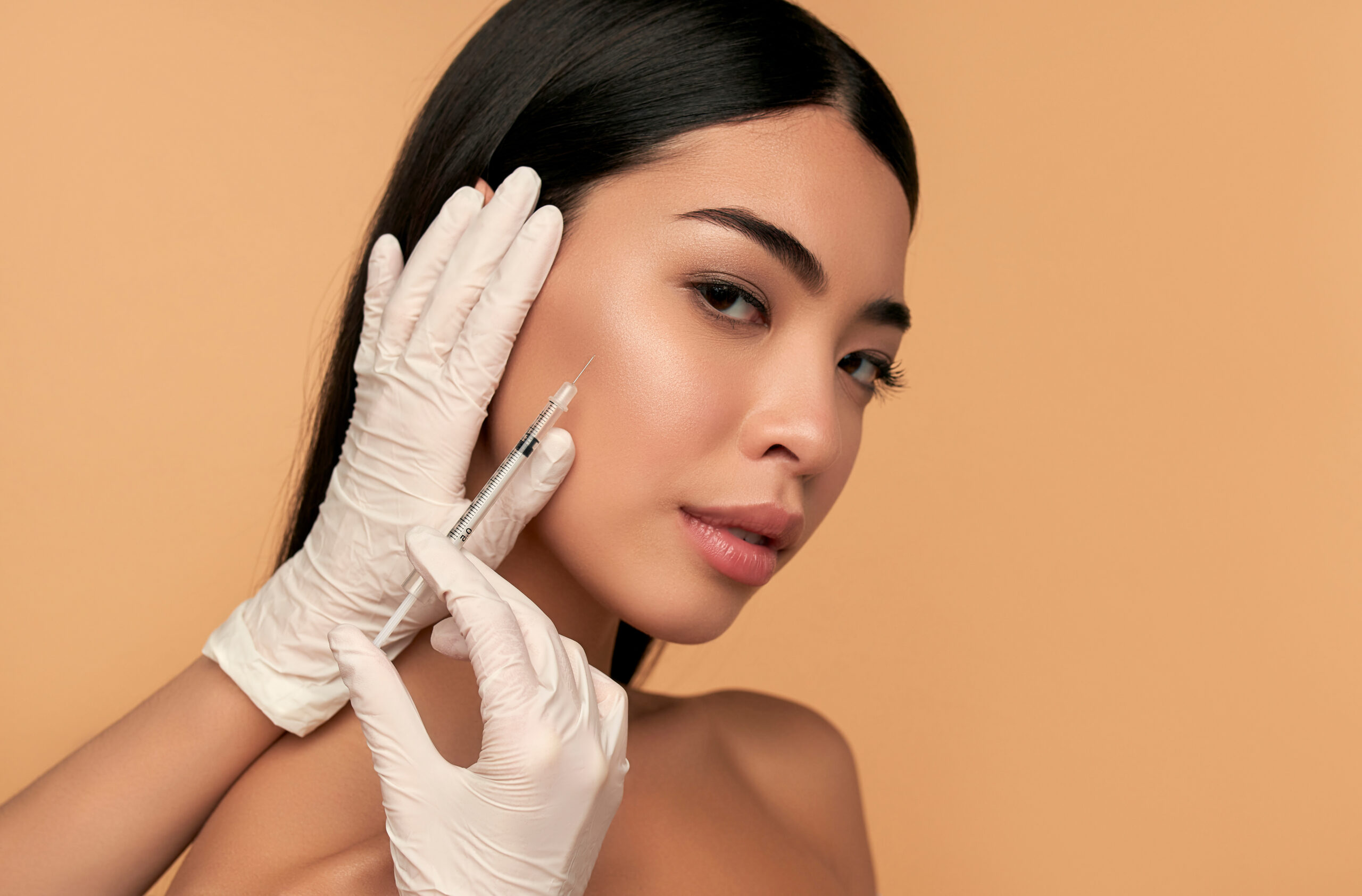
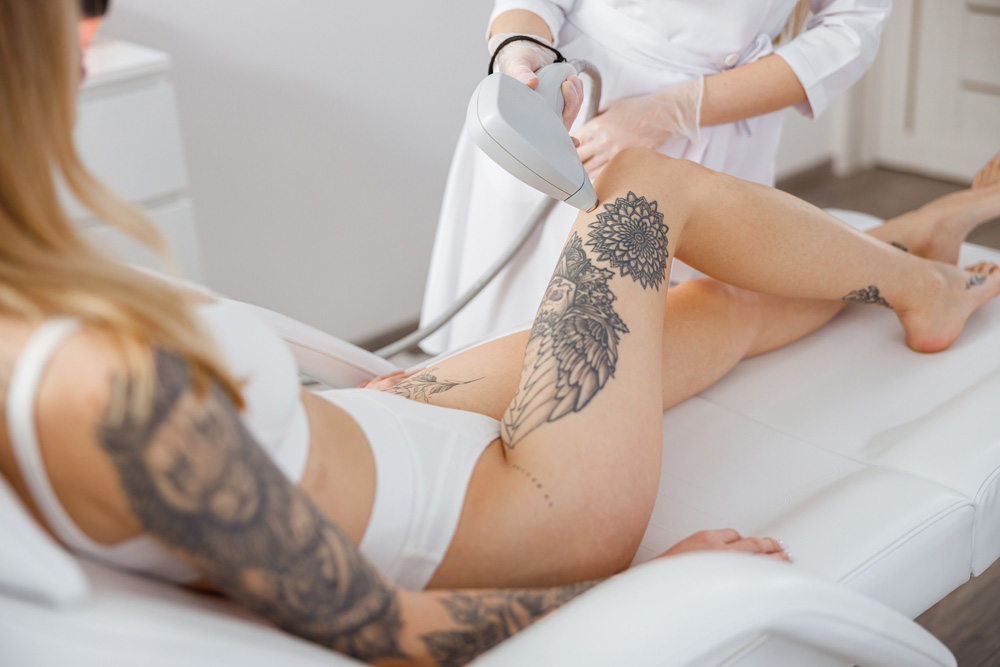
SmoothGlo is a branded treatment from Lumenis that delivers two technologies one after the other in a single session: intense pulsed light (IPL) for brown spots and redness, then radiofrequency microneedling for texture and firmness. The manufacturer says full results take three to four visits. It is a combination of two procedures, so the cautions that apply to each apply to SmoothGlo, including the FDA’s 2025 safety communication on radiofrequency microneedling.
This guide explains what SmoothGlo involves, what the manufacturer claims, and what to ask first.
What SmoothGlo is
Lumenis describes SmoothGlo as “an innovative sequential skin treatment that utilizes two proven technologies delivered one following the other in one session.” The two parts are:
- Stellar M22 IPL. Light absorbed by pigment and blood vessels, used to treat what the manufacturer calls “reds and browns” and to improve overall tone.
- Legend Pro VoluDerm radiofrequency microneedling. Fine needles that deliver heat into the skin, used to smooth wrinkles and improve texture.
The manufacturer’s explanation for the order is that IPL raises the water content of the skin, which increases the effect of the radiofrequency step that follows. That is the company’s own account. We did not find an independent study confirming that the sequence gives better results than the two treatments done separately.
What the manufacturer says about results
Lumenis states that SmoothGlo gives “both immediate and accumulative results with full results achieved in 3-4 visits with little to no downtime.”
For context on each part: the American Academy of Dermatology (AAD) says results from microneedling appear gradually, with full results usually taking several months. For light treatment of visible blood vessels, it reports a 50% to 75% reduction after one to three sessions.

Safety: two treatments, two sets of risks
The radiofrequency microneedling step
On October 15, 2025 the FDA issued a safety communication on radiofrequency microneedling used for skin tightening, resurfacing or rejuvenation. It reported serious complications including burns, scarring, fat loss, disfigurement and nerve damage, and said its evaluation is ongoing.
The FDA advises choosing a licensed provider with training and experience in these devices, asking which device will be used, and treating it as “a medical procedure, not a cosmetic treatment.” Our guide to RF microneedling covers this in full.
The IPL step
IPL is absorbed by pigment, so darker or tanned skin is at greater risk of burns and pigment changes. Published case reports describe these complications, particularly with untrained operators. See our guide to the IPL laser facial.
Who should check before SmoothGlo
The FDA says microneedling may not be suitable if you have a bleeding disorder or take blood thinners, have a weakened immune system or uncontrolled diabetes, have an active skin infection or cold sore, have a history of keloid scars, have taken isotretinoin in the past six months, or are pregnant or breastfeeding. It also says to avoid treatment if you are tanned or will be in the sun in the two weeks afterwards.
For light treatments, the AAD advises telling your provider about medicines such as isotretinoin, warfarin and aspirin, and about any sensitivity to light.
Questions to ask
- Is IPL appropriate for my skin tone?
- What training and experience do you have with the radiofrequency microneedling device?
- Why both treatments in one session, and could I have just one of them?
- How many sessions do you recommend, and what result is realistic?
- What will my skin look like in the days afterwards?
Frequently asked questions
Is SmoothGlo a laser?
No. It combines intense pulsed light, which is not a laser, with radiofrequency microneedling.
How many SmoothGlo sessions are needed?
The manufacturer says three to four visits for full results.
Is there downtime?
The manufacturer says little to none. After microneedling, the AAD says redness and a sunburn-like feeling usually settle in a few days to a week.
Next step
You can read about SmoothGlo at Beauté Medical Aesthetics, or book a consultation to discuss whether it, or one of its two parts alone, suits your skin.
Sources
- Lumenis. SmoothGlo. Manufacturer’s page.
- U.S. Food and Drug Administration. Potential Risks with Certain Uses of Radiofrequency (RF) Microneedling: FDA Safety Communication. October 15, 2025.
- U.S. Food and Drug Administration. Microneedling Devices.
- American Academy of Dermatology. Microneedling can fade scars, uneven skin tone, and more.
- American Academy of Dermatology. Lasers and lights: How well do they treat rosacea?

Double Board Certified Nurse Practitioner
Beauté Medical Aesthetics