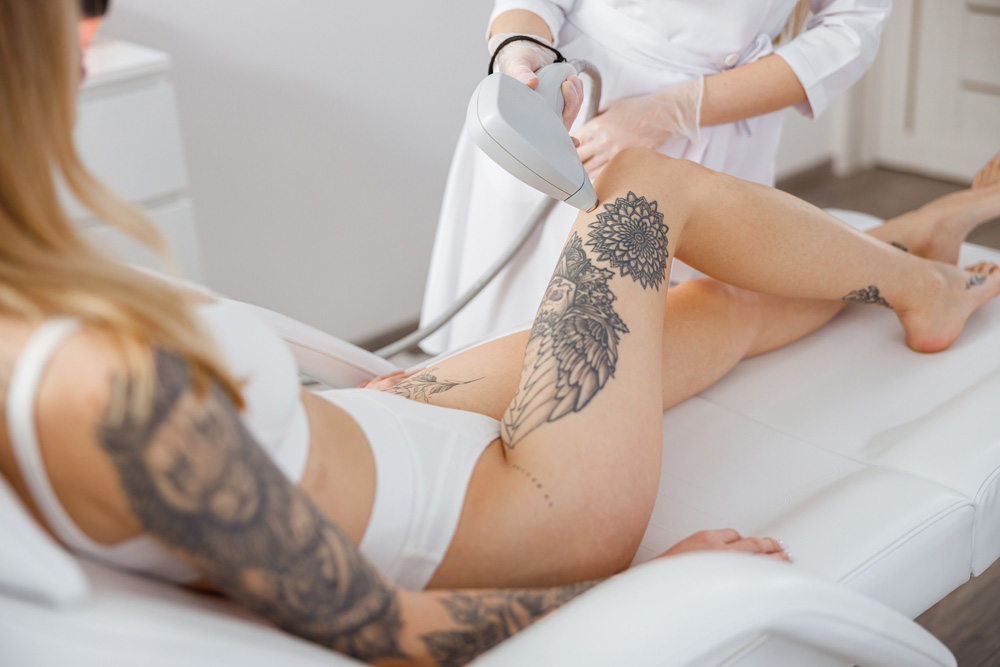
RF microneedling combines fine needles with radiofrequency heat. The needles puncture the skin and deliver heat at their tips, which prompts the skin to make new collagen. Dermatologists use it for wrinkles, scars and skin texture. It is a medical procedure with real risks: in October 2025 the FDA reported serious complications with certain uses, including burns, scarring, fat loss and nerve damage.
This guide explains how RF microneedling works, what it is used for, what the FDA has said, and what to ask before treatment.
How RF microneedling works
The FDA describes the devices this way. An array of small electrodes, the microneedles, penetrates the skin and delivers radiofrequency energy to a set depth. Each needle produces a small area of intense heat at its tip, which changes the tissue. The devices are cleared by the FDA through its 510(k) process.
The American Academy of Dermatology (AAD) explains the purpose: adding heat can increase the body’s ability to produce collagen, which can improve the results compared with microneedling alone.
What it is used for
The AAD lists microneedling, including the radiofrequency type, among treatments dermatologists use to diminish:
- acne scars and scars from surgery or injury;
- wrinkles and fine lines;
- large pores and uneven skin texture;
- sagging skin;
- dark spots and melasma;
- stretch marks.
Each device is cleared only for particular uses. You can look up a device by name in the FDA’s 510(k) database to see what it was cleared for.

The FDA’s 2025 safety communication
On October 15, 2025 the FDA issued a safety communication on RF microneedling used for skin procedures such as tightening, resurfacing or rejuvenation. It said it was aware of reports of serious complications, including:
- burns;
- scarring;
- fat loss;
- disfigurement;
- nerve damage;
- the need for surgery or other medical treatment to repair injuries.
The FDA’s evaluation is ongoing. Its advice to patients is to:
- discuss the benefits and risks of all available procedures with a health care provider;
- choose a licensed provider with training and experience in RF microneedling, and ask which device they plan to use;
- remember that it “is a medical procedure, not a cosmetic treatment,” and that these devices should not be used at home;
- seek care and report the problem to the FDA if something goes wrong.
Is RF microneedling safe for all skin types?
The AAD says radiofrequency microneedling is safe for all skin tones. It also notes the limits of the evidence: studies suggesting it can match laser results with less downtime “were conducted on a small number of people with darker skin tones,” and more research is needed.
The FDA’s general microneedling guidance notes a risk of darkening or lightening of the skin in darker skin types. If you have a darker skin tone, ask your provider about their experience treating skin like yours.
Other risks and who should avoid it
The FDA’s list of common side effects for microneedling devices includes redness, dryness, tightness, peeling, burning, bruising and bleeding. Less common are pigment changes, cold sore reactivation and infection.
It says microneedling may not be suitable if you have a bleeding disorder or take blood thinners, have a weakened immune system or uncontrolled diabetes, have an active skin infection or cold sore, have eczema, psoriasis or a history of keloid scars, have taken isotretinoin in the past six months, or are pregnant or breastfeeding.
Results and number of sessions
The AAD says microneedling results appear gradually as the body makes collagen. You may see improvement within a few weeks, and full results usually take several months. More than one session may be needed. Results fade as the body loses collagen, so a maintenance session once a year may be suggested.
Questions to ask first
- Which device will you use, and what is it FDA-cleared for?
- What training and experience do you have with it?
- What needle depth and energy settings will you use for my concern?
- What complications have you seen, and how were they managed?
- Is standard microneedling or another treatment a safer option for me?
Frequently asked questions
How is RF microneedling different from microneedling?
It adds heat through the needles. See microneedling or RF microneedling for a side-by-side comparison.
Is there downtime?
For microneedling in general, the AAD says downtime is minimal, with redness or darker patches and a sunburn-like feeling that usually settle in a few days to a week.
Can I do it at home?
No. The FDA says these devices should not be used at home.
Next step
You can read about LegendPro RF microneedling at Beauté Medical Aesthetics, or book a consultation to discuss whether it suits your skin and what the alternatives are.
Sources
- U.S. Food and Drug Administration. Potential Risks with Certain Uses of Radiofrequency (RF) Microneedling: FDA Safety Communication. October 15, 2025.
- U.S. Food and Drug Administration. Microneedling Devices.
- American Academy of Dermatology. Microneedling can fade scars, uneven skin tone, and more.

Double Board Certified Nurse Practitioner
Beauté Medical Aesthetics